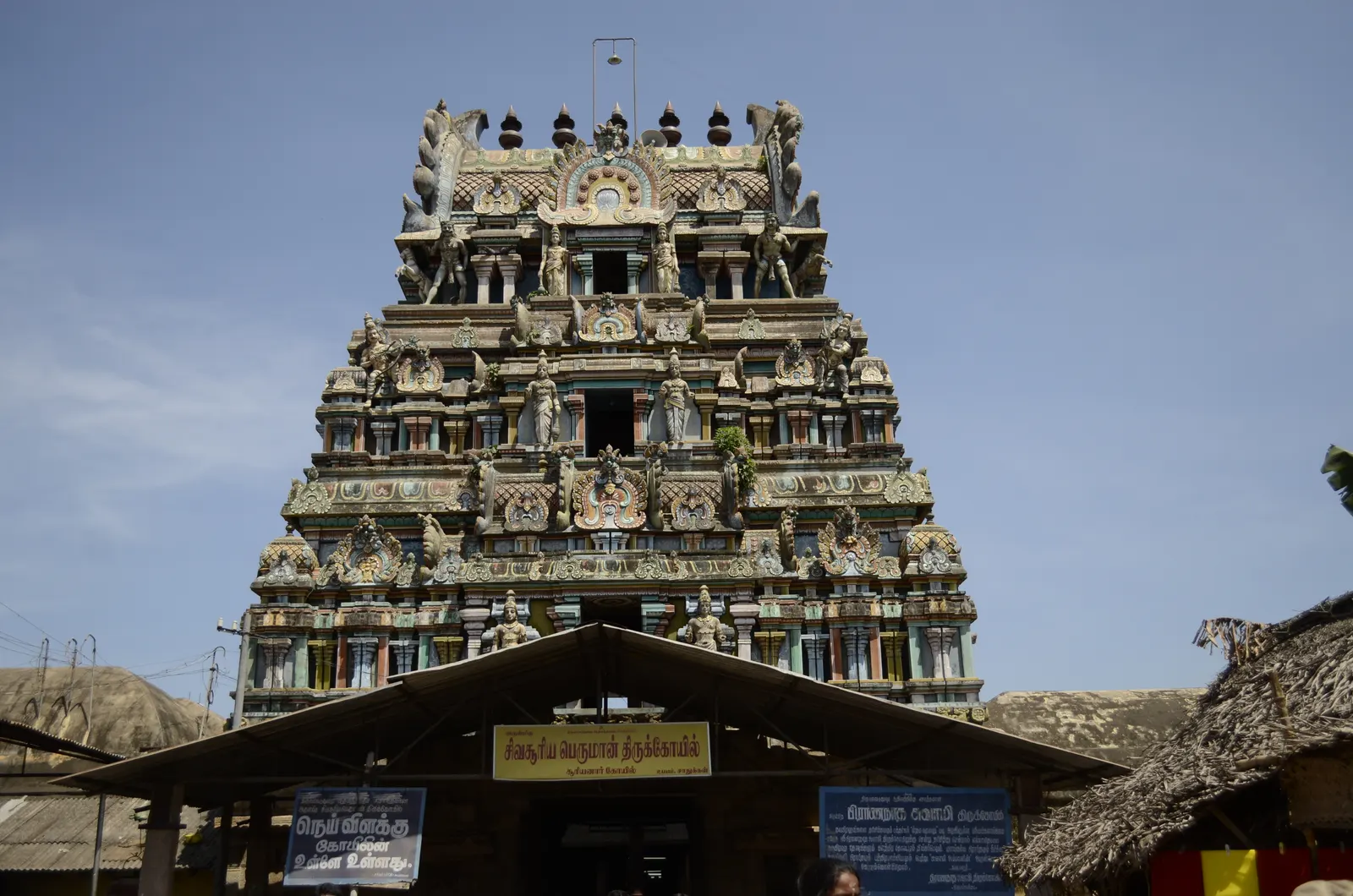
நவகிரக கோவில்கள்
சூரியன் முதல் கேது வரை ஒன்பது கிரக தலங்கள் — கும்பகோணம், தஞ்சாவூர் மண்டல வழிகாட்டி.
கும்பகோணம் அருகே ஒன்பது கிரகத் தலங்கள்; ஜோதிடப் பரிகாரம், யாத்திரை வரிசை, தரிசன நேரம் பற்றிய விவரங்கள்.
Suryanar Kovil (Sun)
சூரியன் முதன்மைத் தெய்வமாக உள்ள ஒரே முக்கிய நவகிரகத் தலங்களில் ஒன்று — கும்பகோணம் அருகே.
- Navagraha stalam #1 (Sun)
- Chola dynasty origin (9th century)
- Only temple with Surya as main deity with consorts
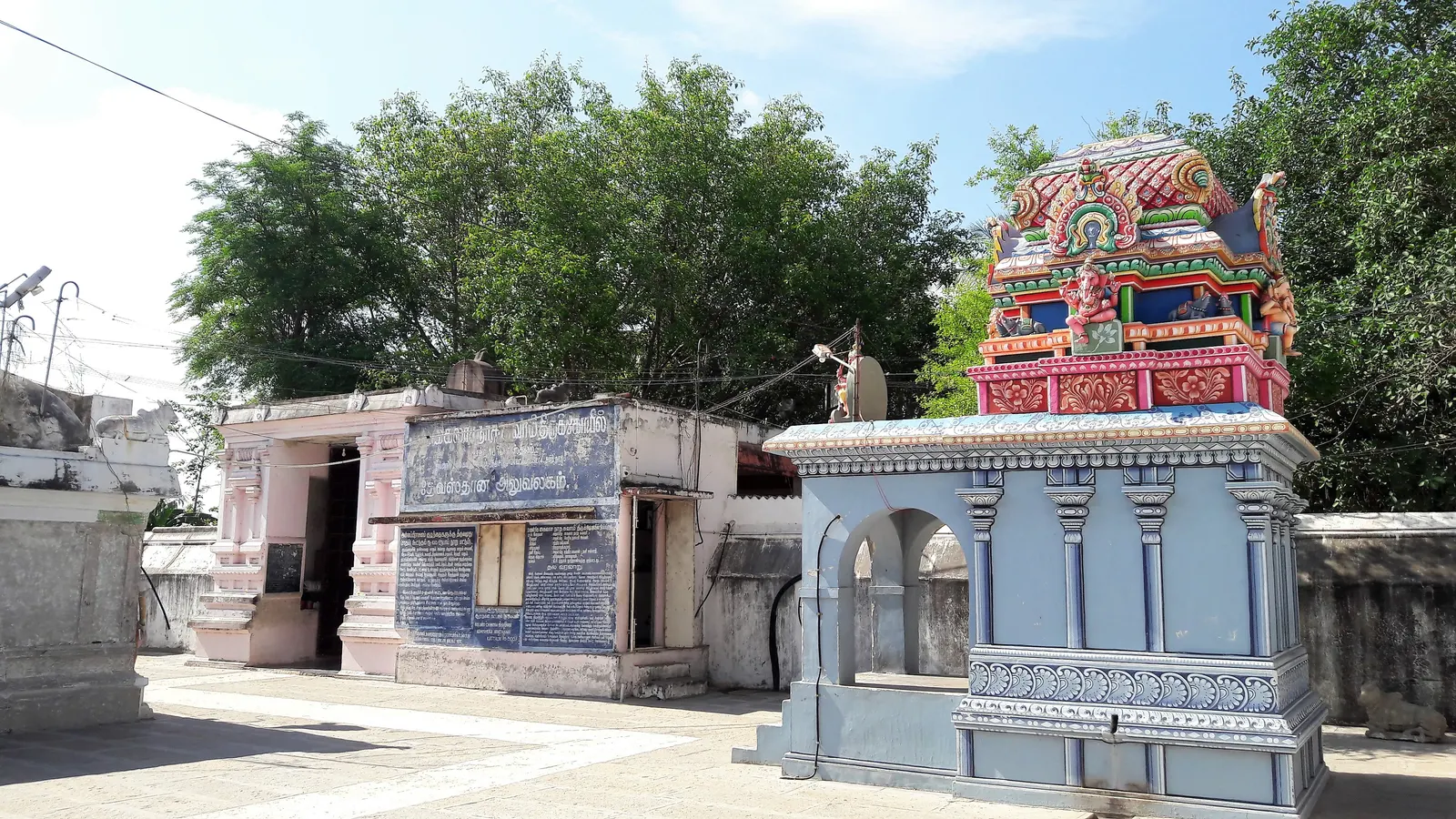
Thingaloor — Kailasanathar Temple (Moon)
Thingaloor Kailasanathar Temple is dedicated to Chandra (Moon), the second planet in the Navagraha circuit. Chandra was afflicted with a curse by Daksha (his father-in-law) that caused him to wane. He worshipped Shiva at this spot and was partially relieved — this is why the Moon waxes and wanes. Visiting this temple is said to strengthen the Moon in one's horoscope, improve mental peace, cure depression, and bless with a harmonious family life. Gemstone: Pearl (Moti). Metal: Silver.
- Navagraha stalam #2 (Moon)
- Kailasanathar (Shiva) as main deity
- Best visited on Mondays
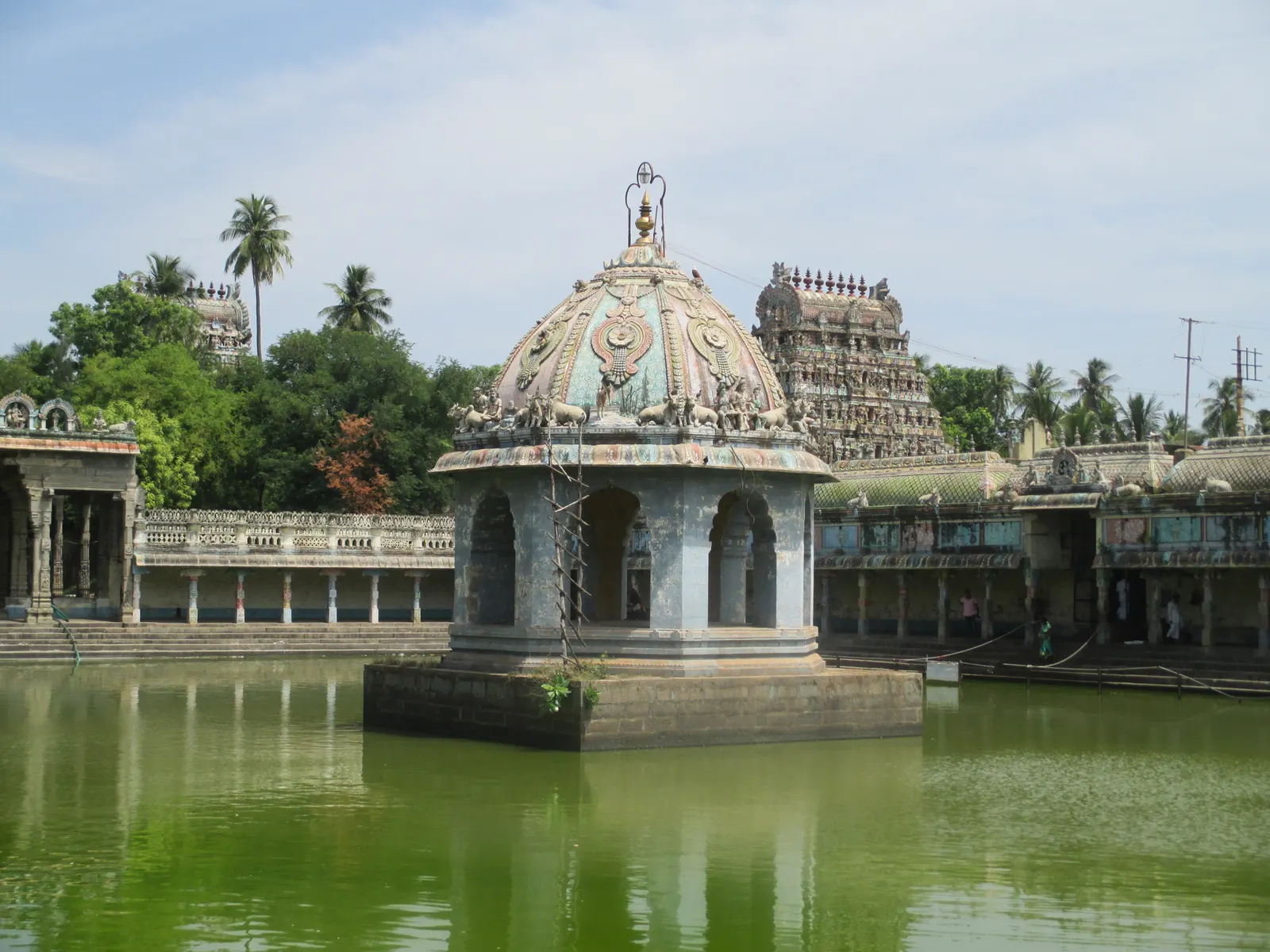
Vaitheeswaran Kovil (Mars)
Vaitheeswaran Kovil is one of the most famous temples in Tamil Nadu, dedicated to Shiva as the "Lord of Healing" (Vaidyanathar). It is the Navagraha temple for Angaraka (Mars). The temple is believed to cure diseases and is the only Navagraha temple where both the planet deity and healing god are one. Visiting reduces Mangal (Mars) dosha, which affects marriage compatibility. The temple is also famous for Nadi astrology — palm leaf readings. Gemstone: Red Coral (Moonga). Metal: Copper.
- Navagraha stalam #3 (Mars)
- Famous healing temple (Vaidyanathar)
- Center for Nadi astrology
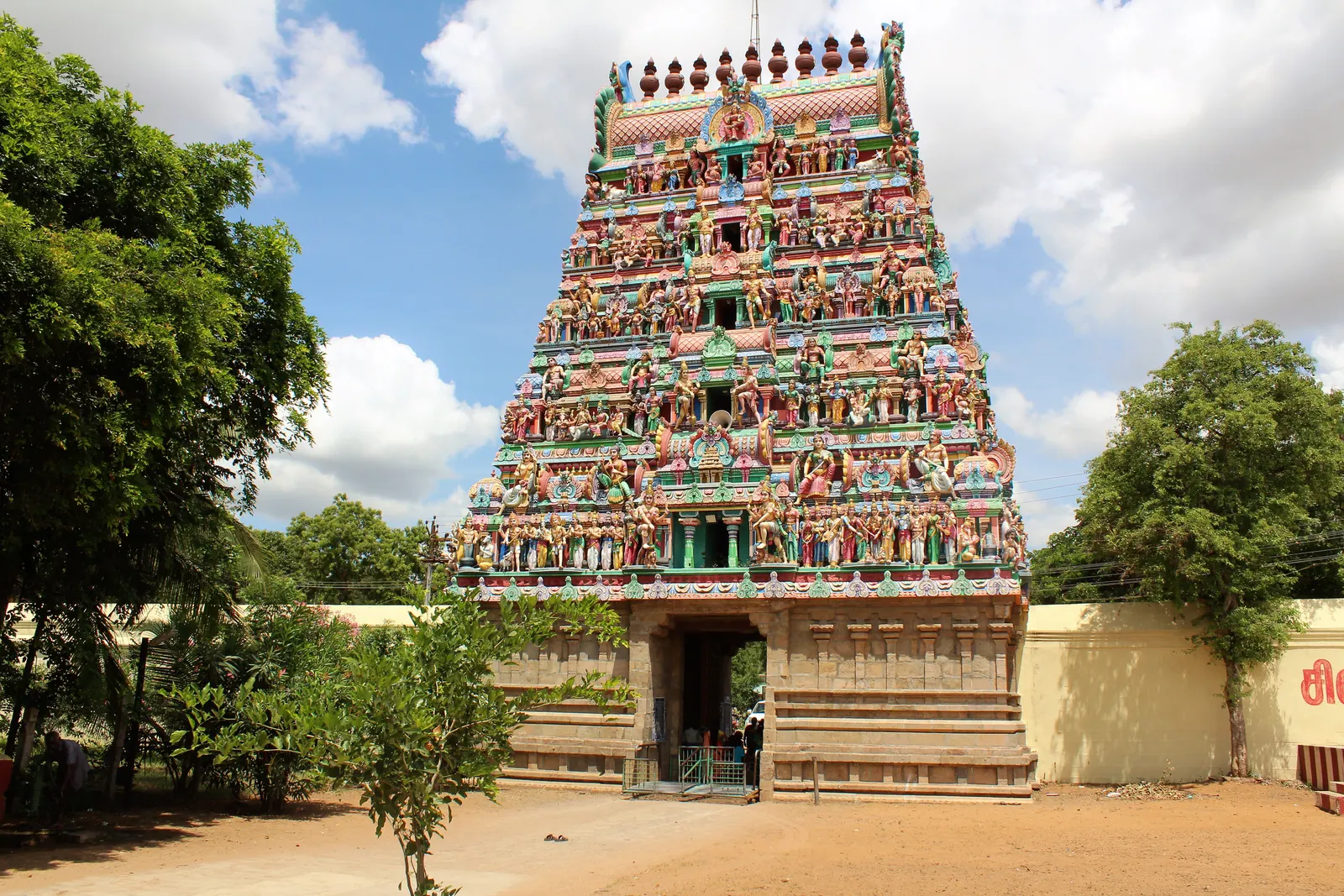
Thiruvengadu — Swetharanyeswarar Temple (Mercury)
Thiruvengadu is the Navagraha temple for Budha (Mercury), the planet of intellect, communication, and commerce. The main deity is Shiva as Swetharanyeswarar (Lord of the White Forest). Worshipping here improves intelligence, academic performance, speech abilities, and business acumen. Students and professionals in communication fields benefit greatly. Gemstone: Emerald (Panna). Metal: Bronze (Kamsya).
- Navagraha stalam #4 (Mercury)
- Swetharanyeswarar (White Forest Shiva)
- Best visited on Wednesdays
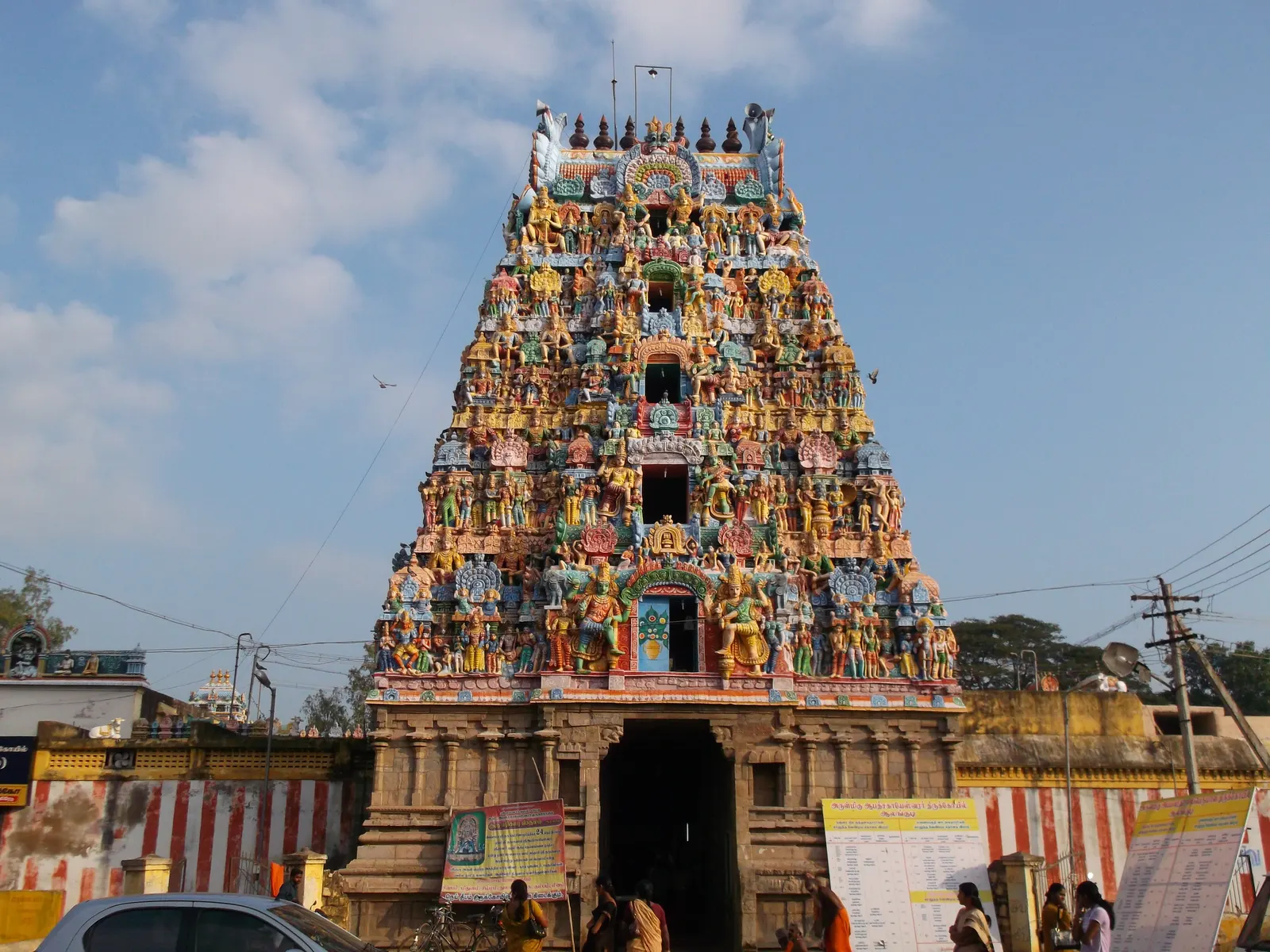
Alangudi — Apatsahayeswarar Temple (Jupiter)
Alangudi is the Navagraha temple for Guru (Jupiter, Brihaspati), the planet of wisdom, fortune, and spiritual growth. The main deity is Shiva as Apatsahayeswarar (Protector in times of distress). Jupiter is the most benefic planet in Vedic astrology, and worshipping here is believed to enhance wisdom, remove financial troubles, bless with children, and improve fortune during Jupiter dasha or transit. Gemstone: Yellow Sapphire (Pukhraj). Metal: Gold.
- Navagraha stalam #5 (Jupiter)
- Apatsahayeswarar (Shiva, protector in distress)
- Best visited on Thursdays
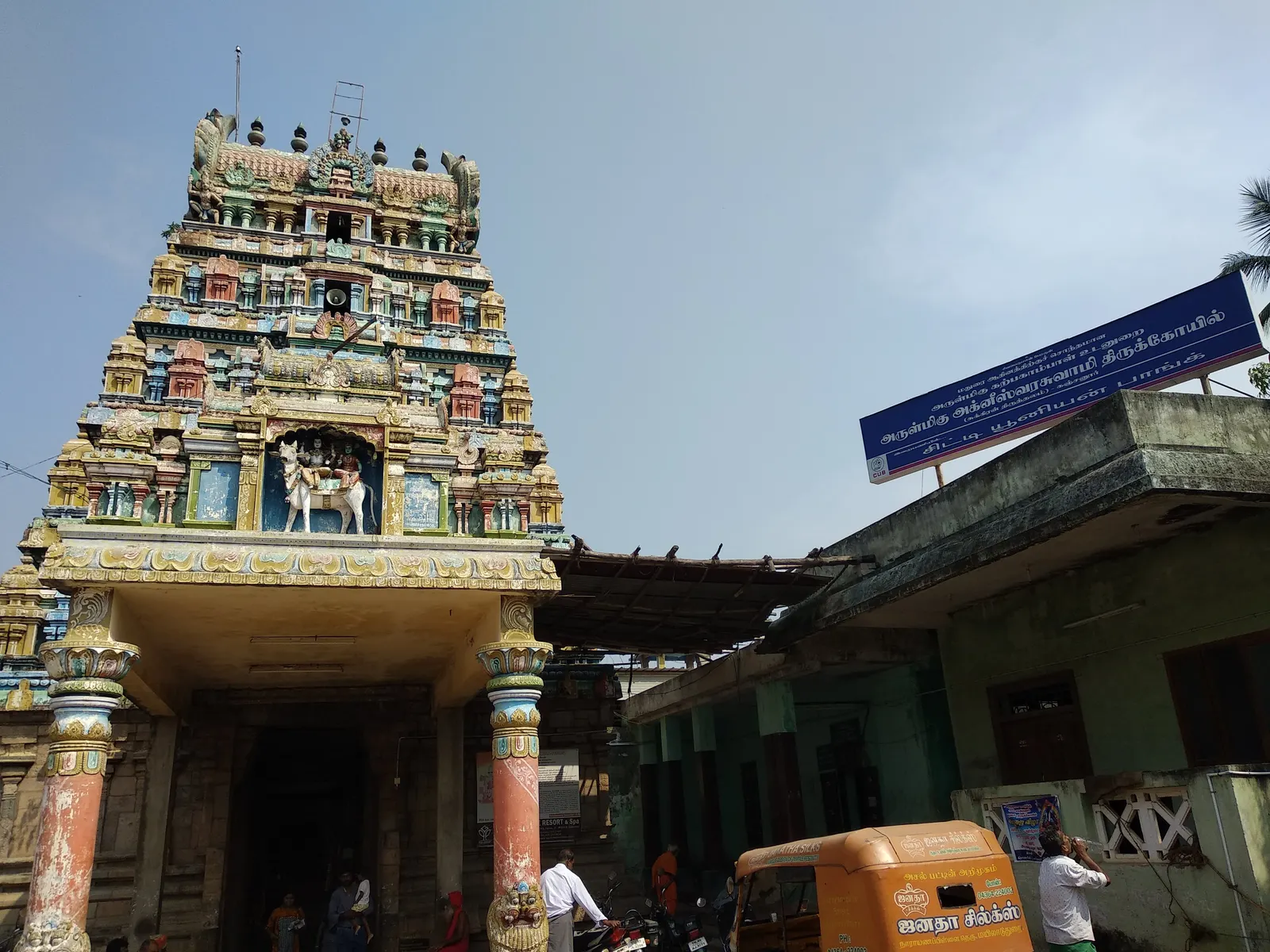
Kanchanur — Agniswarar Temple (Venus)
Kanchanur (Kanjanur) is the Navagraha temple for Sukra (Venus), the planet of love, beauty, luxury, and artistic pursuits. Shiva here is worshipped as Agniswarar (Lord of Fire). Visiting grants marital bliss, luxury, creative talent, and financial prosperity. It is especially recommended for those undergoing Venus dasha or facing Venus-related doshas in their chart. Gemstone: Diamond (Heera). Metal: Silver.
- Navagraha stalam #6 (Venus)
- Agniswarar (Shiva, Lord of Fire)
- Best visited on Fridays
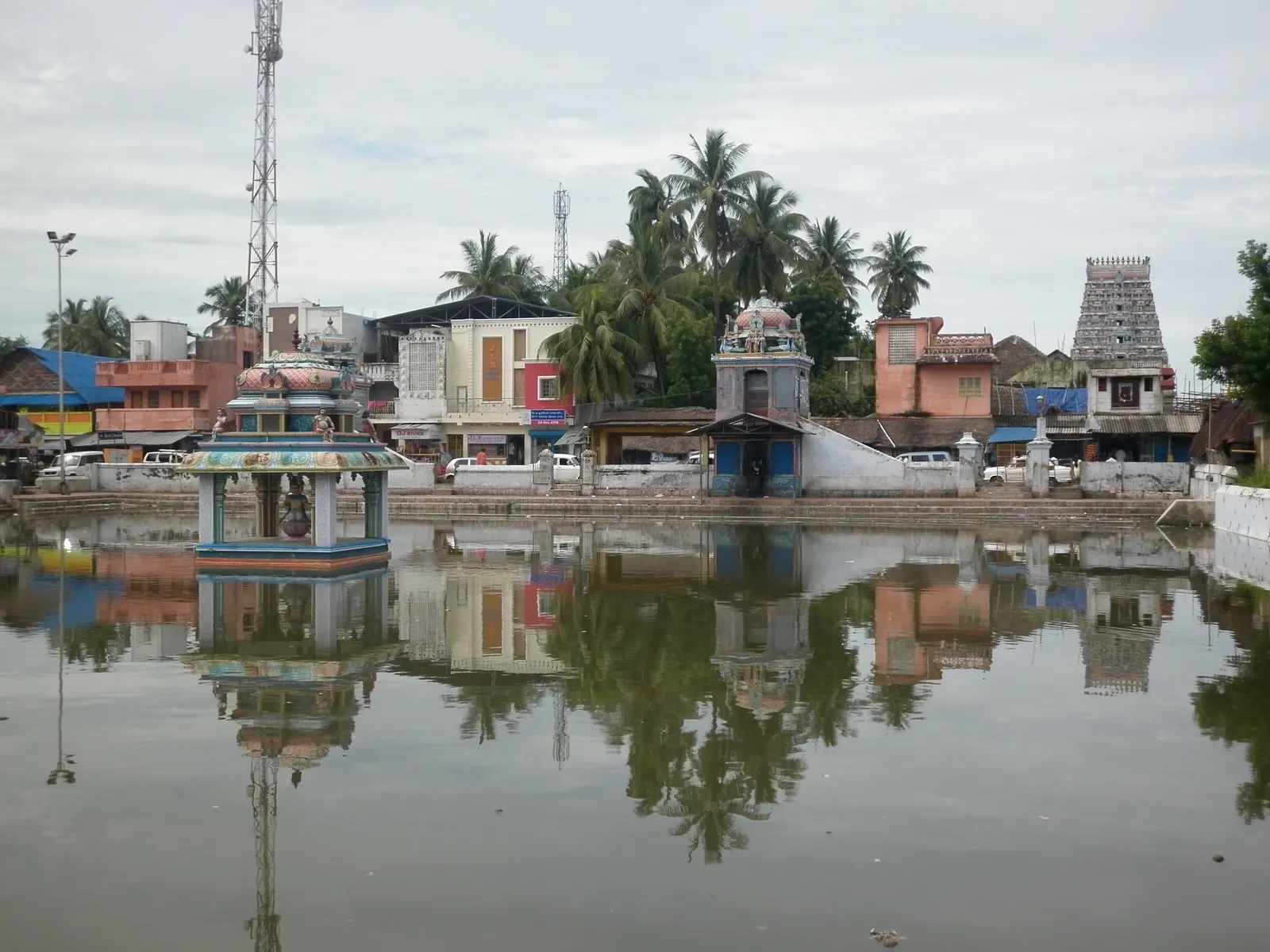
Thirunallar — Dharbaranyeswarar Temple (Saturn)
Thirunallar is the most visited of all Navagraha temples and one of the most popular Shani temples in India. Dedicated to Shani (Saturn), it attracts millions seeking relief from Sade Sati (7.5-year Saturn transit), Shani Dasha, and Saturn dosha. The main deity is Shiva as Dharbaranyeswarar (Lord of the Dharba grass forest). A holy dip in the Nala Theertham before darshan is mandatory. Gemstone: Blue Sapphire (Neelam). Metal: Iron.
- Navagraha stalam #7 (Saturn)
- Most visited Shani temple in India
- Famous Nala Theertham sacred tank
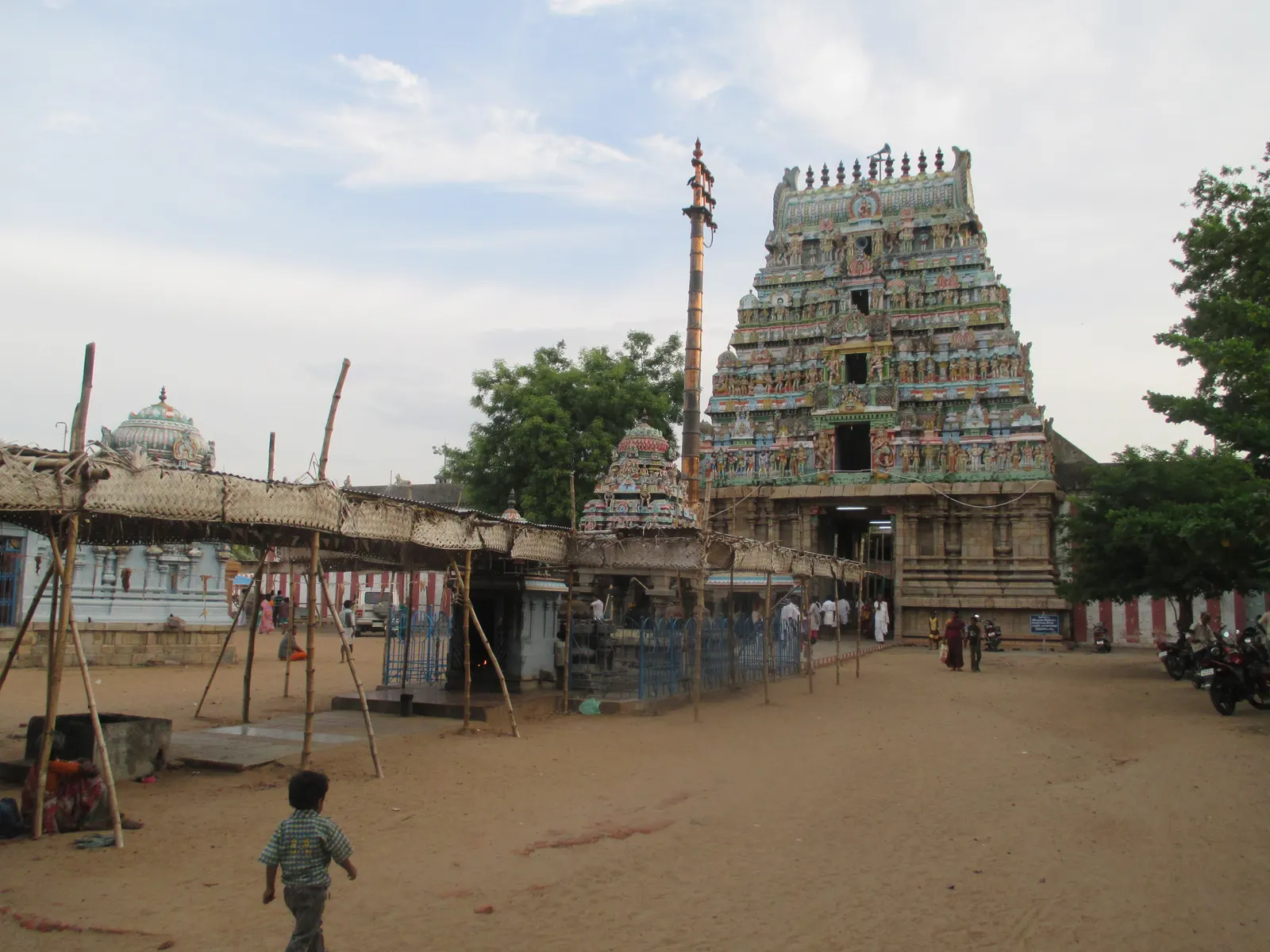
Thirunageswaram — Naganathar Temple (Rahu)
Thirunageswaram is the Navagraha temple for Rahu, the north lunar node (shadow planet). Rahu is associated with material desires, sudden changes, and eclipses. Worshipping here reduces Rahu dosha, prevents the negative effects of Rahu dasha, and protects from snake-related fears (sarpa dosha). The temple is famous for the "Rahu Kala Puja" performed during Rahu Kalam every day. Gemstone: Hessonite Garnet (Gomed). Metal: Lead.
- Navagraha stalam #8 (Rahu)
- Naganathar (Shiva as Lord of Serpents)
- Famous Rahu Kala Puja daily
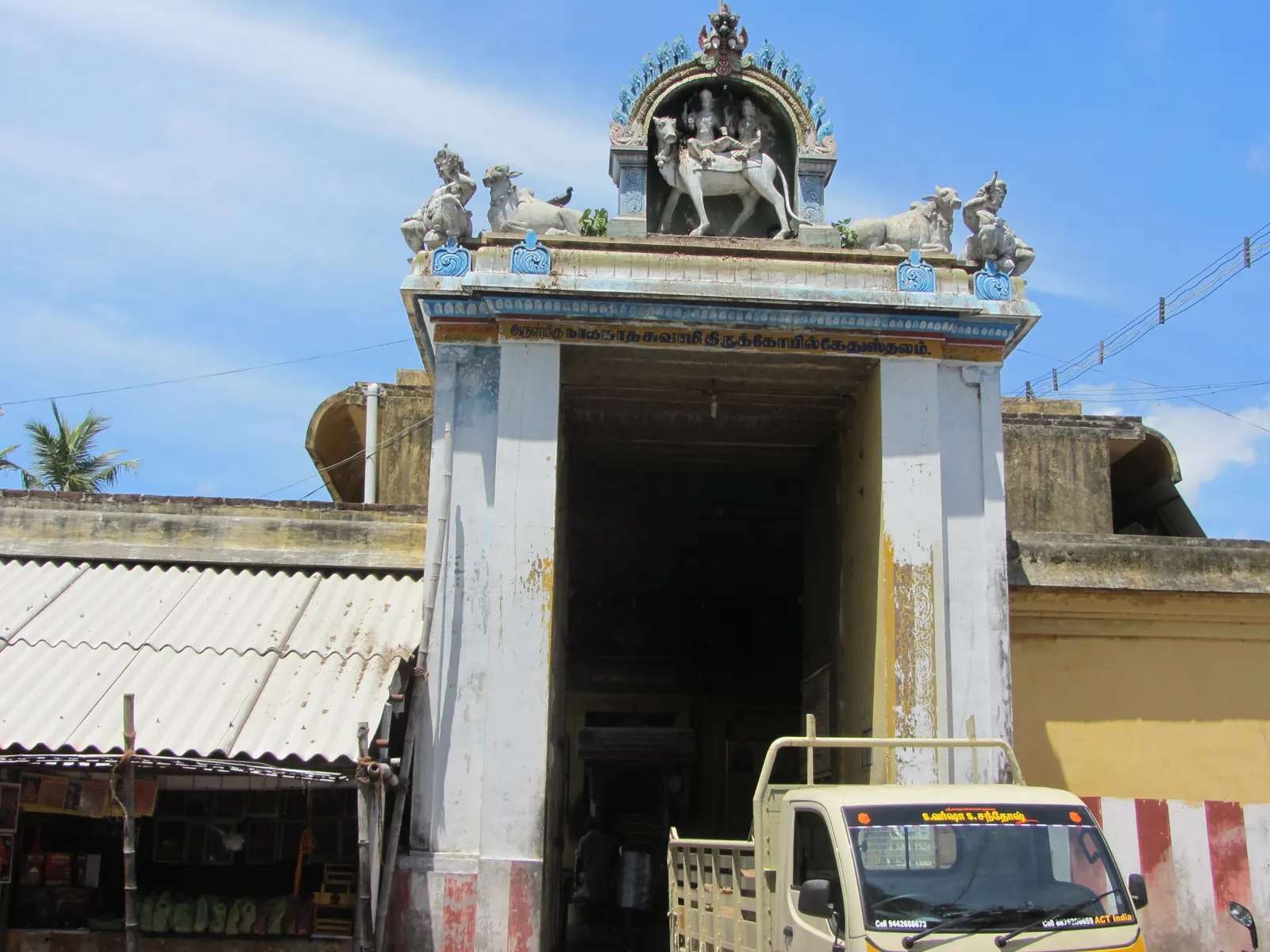
Keezhperumpallam — Naganathar Temple (Ketu)
Keezhperumpallam is the Navagraha temple for Ketu, the south lunar node (shadow planet), the tail counterpart of Rahu. Ketu represents spiritual liberation, detachment, past karma, and mystical experiences. Worshipping here reduces Ketu dosha, helps overcome sudden losses, and aids in spiritual growth. Those facing problems from Ketu dasha or transit particularly benefit. Gemstone: Cat's Eye (Lehsuniya). Metal: Lead.
- Navagraha stalam #9 (Ketu)
- Naganathar (Shiva) shrine
- Best visited on Tuesdays and Saturdays
தரிசனம் செல்ல தூண்டப்படுகிறீர்களா?
இந்த புனித தலங்களுக்கு ஆன்மீக பயணம் (யாத்திரை) திட்டமிடுங்கள். பயணக் குறிப்புகள், தங்குமிடம் மற்றும் சிறந்த வழிகள் பற்றி உதவலாம்.